
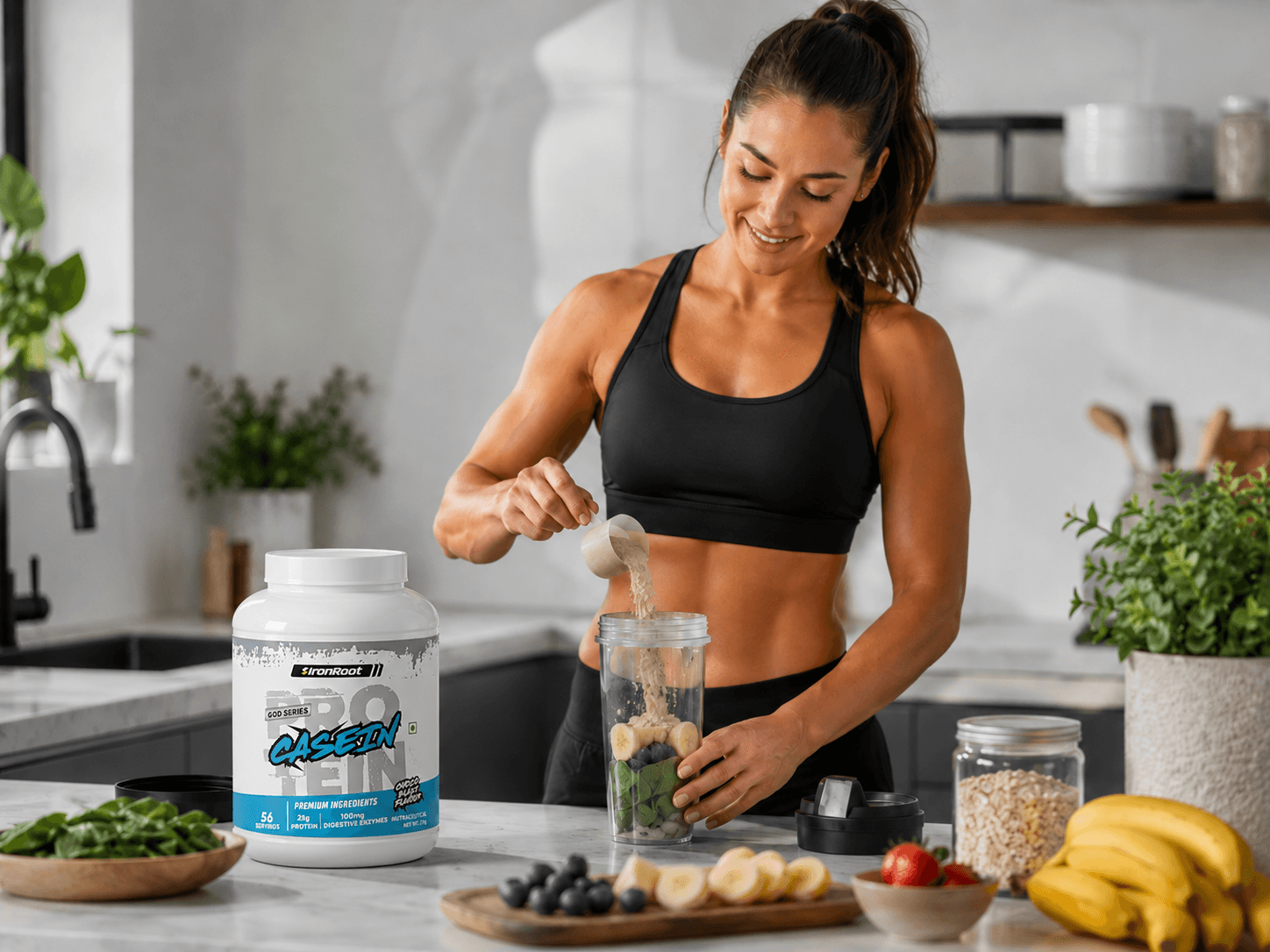
Start with real meals
Protein supplements work best when they support a food routine that already makes sense. They are not a replacement for meals, vegetables, carbohydrates, fats, hydration, or sleep.
Look at your normal day first. If breakfast has almost no protein, lunch is inconsistent, and dinner is your only strong meal, the issue is not a lack of complexity. It is a lack of structure.
Once meals are clearer, a supplement can fill the gap without taking over the whole plan.
Use supplements where they solve a problem
A protein shake is useful when it solves a real problem: missed meals, low protein intake, travel, late training, or a schedule that makes cooking difficult.
It is less useful when it is added on top of an already complete day without a reason. More is not automatically better, and extra servings can crowd out regular food.
Ask a simple question before adding a serving: what gap is this solving today? If the answer is clear, the supplement has a place.
Match the plan to your goal
For lean muscle, protein supports repair and growth, but it still needs progressive training and enough total food. A shake alone cannot create a training result if the workouts are not moving forward.
For weight gain, protein matters, but total calories matter too. This is where mass gainers or larger meals can help people who struggle to eat enough food consistently.
For general fitness, the goal may simply be easier recovery and better daily balance. In that case, a straightforward whey or protein-rich meal may be enough.
Choose a serving that fits your day
The best serving size is the one that fits your daily target and digestion. Some people do well with one scoop after training. Others split intake across meals and only use a shake on busy days.
Do not copy someone else's exact routine without checking your own food intake, body weight, appetite, and training schedule. Two people can use the same product in different ways and both be correct.
Keep the serving practical. If the routine feels difficult every day, it will probably not last.
Pay attention to digestion
A supplement should feel easy to use. If a serving feels too heavy, try it with more water, place it farther from training, or use it with a meal instead of on an empty stomach.
Flavour also matters more than people admit. A product you dislike will eventually become a product you avoid, even if the label looks good.
Routine quality includes comfort. The easier it is to drink, digest, and repeat, the more useful it becomes.
Keep the decision simple
You do not need a complicated supplement shelf to train well. Start with food, identify the gap, choose a product that solves that gap, and repeat the routine long enough to judge it fairly.
Look at protein per serving, serving size, taste, mixability, and how it fits your goal. Those basics matter more than chasing every new claim or trend.
The strongest routine is usually the clearest one. When the plan is simple, you can focus more on training, sleep, and showing up consistently.